
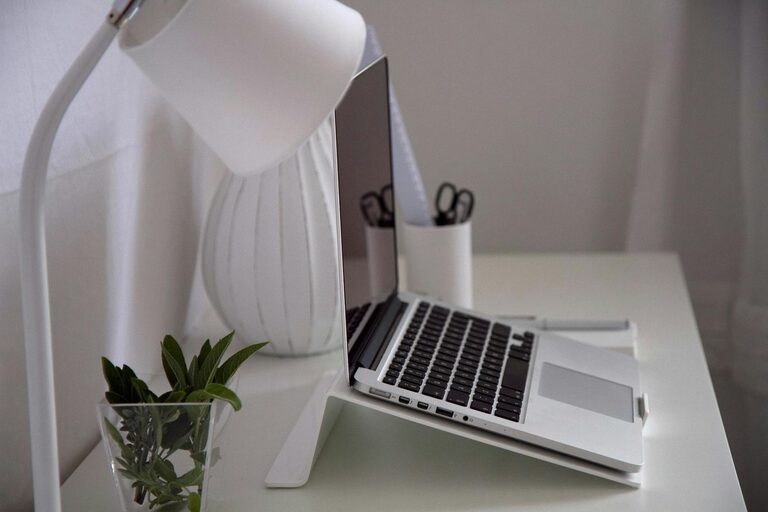
Creating a productive home office space is essential for anyone working remotely or managing tasks from home. A well-organized and comfortable workspace can help improve focus, reduce distractions, and increase overall work efficiency. Whether you have a dedicated room or just a small corner, these tips will help you set up a home office that supports your productivity.
1. Choose the Right Location
Finding the best spot for your home office is the first step. Ideally, select a quiet area away from heavy foot traffic and household distractions. If possible, pick a space near a window to take advantage of natural light. Natural lighting helps reduce eye strain and can boost your mood.
If you don’t have a separate room available, consider creating a defined workspace in a corner of a room. Use screens, bookshelves, or curtains to separate your office area visually and acoustically from the rest of the home.
2. Invest in Ergonomic Furniture
Comfort is key to maintaining focus and preventing physical strain during long working hours.
– Desk: Choose a desk that fits your space and offers enough surface area for your computer, documents, and other essentials.
– Chair: Invest in an ergonomic chair that supports your back and encourages good posture.
– Adjustable options: Consider desks or chairs with adjustable height to customize your setup.
Proper support helps reduce discomfort and improves concentration.
3. Organize Your Workspace
An orderly workspace minimizes distractions and makes it easier to find what you need.
– Declutter regularly: Keep only essential items on your desk.
– Use storage solutions: Use shelves, drawers, and organizers to store supplies and paperwork.
– Cable management: Tidy up cords with clips, tubes, or ties to avoid messy tangles.
A clean, neat workspace promotes clearer thinking and efficiency.
4. Optimize Lighting
Besides natural light, proper artificial lighting is crucial, especially when working in the evenings or on cloudy days.
– Ambient lighting: Use ceiling lights or lamps to ensure the room is well-lit.
– Task lighting: Place a desk lamp focused on your work area to reduce eye strain.
– Avoid glare: Position screens and light sources to minimize reflections on your monitor.
Good lighting reduces fatigue and creates a more inviting work environment.
5. Personalize Your Space
Adding personal touches to your office can make the space more enjoyable and motivate you.
– Decor: Hang artwork, photos, or inspirational quotes.
– Plants: Indoor plants improve air quality and add a refreshing touch.
– Color: Choose colors that make you feel calm or energized, such as blues or greens.
Personalized spaces help you feel more connected and comfortable while working.
6. Minimize Distractions
A productive home office means managing potential distractions effectively.
– Noise control: Use noise-canceling headphones or white noise machines if your environment is noisy.
– Turn off non-work notifications: Silence phone alerts or limit social media use during work hours.
– Set boundaries: Communicate your work schedule to family or roommates to minimize interruptions.
Creating boundaries helps you focus and keep your work hours productive.
7. Equip Your Office With Necessary Technology
Ensure your home office technology supports your work needs.
– Reliable internet: A strong, stable internet connection is crucial for virtual meetings and online tasks.
– Computer setup: Use a desktop or laptop with necessary software updated.
– Accessories: Consider a second monitor, keyboard, mouse, or headset to improve comfort and efficiency.
Having the right tools speeds up work and reduces frustration.
8. Maintain a Routine
Your workspace can support productivity by reinforcing a routine.
– Start and end your day consistently: Keep regular hours to establish work-life balance.
– Schedule breaks: Use alarms or apps to remind you to take short breaks to rest your eyes and stretch.
– Daily to-do lists: Organize your tasks to stay focused and meet deadlines.
A routine helps turn your home office into a disciplined workspace.
Conclusion
Creating a productive home office space involves thoughtful planning and adjustments tailored to your needs. From choosing the right location and ergonomic furniture to managing distractions and lighting, every element contributes to a comfortable environment where you can thrive. With these tips, you’ll be well on your way to setting up a home office that enhances focus and makes working from home a positive experience.