
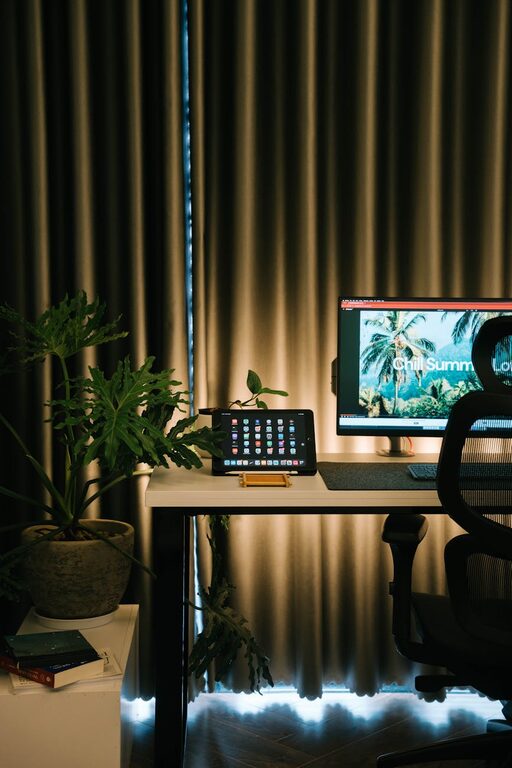
Creating a cozy and inviting home office can transform your work experience, making it not only more productive but also enjoyable. Whether you’re remote working full-time or need a dedicated space to tackle personal projects, a well-designed workspace helps maintain focus and reduces stress. Here are practical tips to help you design a home office that feels comfortable and welcoming.
Choose the Right Location
The first step in creating a cozy home office is selecting the best spot. Ideally, find a quiet corner with enough natural light to keep the space bright and uplifting.
– Consider a room with windows to enjoy natural sunlight, which can improve mood and concentration.
– If space is limited, use a section of a larger room with room dividers or bookshelves to create a distinct work zone.
– Make sure the area has easy access to power outlets for your computer, lamps, and other devices.
Prioritize Comfortable and Functional Furniture
Your home office furniture will directly affect how long you can work comfortably. Choose pieces that support your body and storage needs.
– Invest in an ergonomic chair with proper lumbar support to avoid back pain.
– Select a desk that fits your equipment and has enough surface area for writing, notes, and other materials.
– Include additional furniture such as filing cabinets, shelves, or storage bins to keep clutter under control.
Create Warm Lighting
Lighting plays a critical role in atmosphere and productivity. Avoid harsh fluorescent lights, and opt for softer, layered lighting options.
– Use a mix of overhead lighting and task lamps to reduce eye strain.
– Warm white bulbs (2700K to 3000K) create a cozy ambiance.
– Position your desk near a window to take advantage of natural light during the day, but use blinds to control glare.
Add Personal Touches
A home office should reflect your personality to make you feel comfortable and inspired.
– Decorate with artwork, family photos, or motivational quotes that lift your spirits.
– Incorporate colors you find calming or energizing, such as soft blues or warm earth tones.
– Include decorative items like plants, rugs, or cushions to soften the space and add texture.
Keep it Organized
A tidy workspace can enhance focus and reduce stress, so develop an efficient organization system.
– Use drawer organizers, trays, and label holders to store supplies neatly.
– Keep only essential items on your desk to avoid distractions.
– Schedule weekly tidying sessions to maintain order in the space.
Incorporate Natural Elements
Bringing nature indoors boosts mood and adds life to your office.
– Houseplants improve air quality and add greenery, which can be calming.
– Consider a small vase of fresh flowers or decorative stones on your desk.
– Use natural materials like wood or woven baskets for storage and decor.
Manage Noise Levels
A peaceful environment helps concentration and productivity. Aim to reduce distracting sounds where possible.
– Use noise-cancelling headphones if your home is noisy.
– Add rugs or curtains to help absorb sound.
– Consider a white noise machine or apps to mask background noise without distraction.
Establish Boundaries and Routine
Creating clear boundaries between work and home life leads to better focus and work-life balance.
– Use a physical signal, like closing a door or setting up a sign, to separate your office space.
– Set regular work hours and take breaks as you would in a traditional office.
– At the end of the day, clear your desk and log off to mentally transition out of work mode.
—
Creating a cozy and inviting home office is about blending comfort with functionality. By thoughtfully planning your space, selecting the right furniture, and personalizing your environment, you can build a workspace that supports productivity while feeling warm and welcoming. Whether you have a dedicated room or a small nook, these tips will help you nurture a space where you enjoy spending time and doing your best work.